

Converting Your Traditional Fireplace: What You Need to Know Before Buying Gas Fireplace Logs
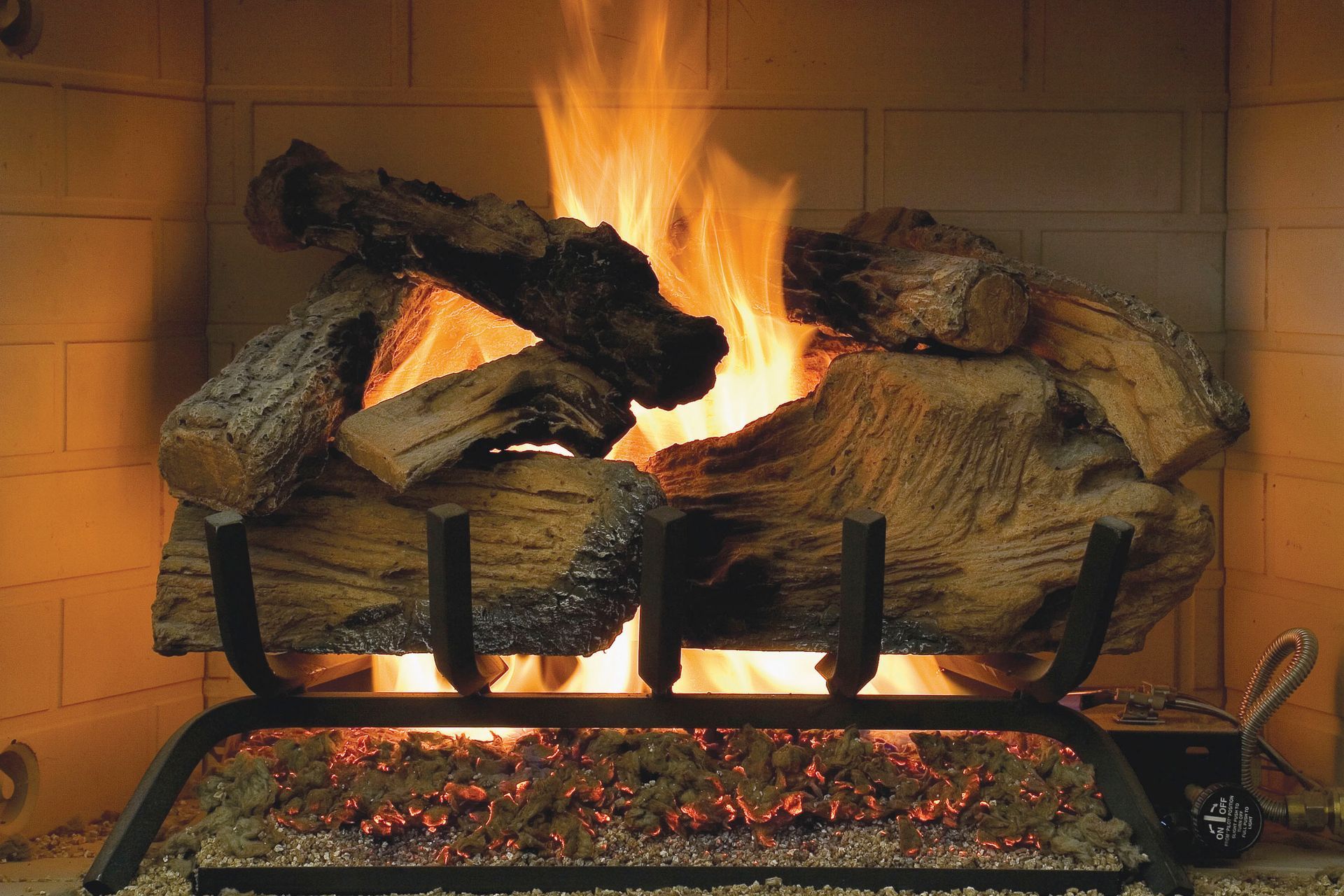
There is nothing quite like the ambiance of a roaring fire on a chilly winter evening. For centuries, traditional wood-burning fireplaces have served as the focal point of living rooms, offering warmth, comfort, and a natural gathering place for families. However, any homeowner who has chopped wood, hauled heavy logs indoors, swept up the resulting mess, and scheduled annual chimney sweepings knows that a traditional fire requires a significant amount of labor.
If you love the look of a glowing hearth but are exhausted by the relentless maintenance, it might be time for a modern upgrade. Converting your existing wood-burning hearth to a more convenient system is a fantastic home improvement project that adds value and comfort to your property. However, the conversion process requires careful consideration and planning to ensure safety and efficiency. We want to ensure you have all the correct information to make an informed, confident decision. Before you make the leap, here is everything you need to know before purchasing your new set of gas fireplace logs.
Understanding the Benefits of Conversion
Before diving into the technical details of a hearth conversion, it is helpful to understand why so many homeowners are making the switch. The primary appeal is pure convenience. With a modern conversion, starting a beautiful fire is as simple as flipping a wall switch, pressing a button on a remote control, or even using an app on your smartphone. The days of struggling with dry kindling, damp wood, and stubborn chimney drafts are completely eliminated.
Beyond convenience, efficiency and cleanliness are major factors driving these home upgrades. Wood fires produce ash, soot, and creosote buildup, all of which require regular, messy cleaning and professional inspections to prevent dangerous chimney fires. By utilizing gas fireplace logs, you completely eliminate the soot, the flying sparks, and the lingering smoky smell that can permeate your living room furniture and clothing.
Furthermore, modern setups are incredibly efficient heat sources. While traditional masonry fireplaces often send the majority of their heat straight up the chimney, modern alternatives are specifically designed to radiate warmth back into your living space. According to This Old House, gas fireplaces can reach efficiency ratings as high as 90%. This remarkable efficiency means you can effectively zone-heat your primary living areas, potentially lowering your overall winter heating bills while enjoying a consistent, beautiful flame.
Evaluating Your Existing Fireplace Structure
The first practical step in your conversion journey is assessing the current state and structural integrity of your existing hearth. Not every wood-burning fireplace is an immediate candidate for a direct swap, so you must determine whether you have a traditional masonry fireplace constructed from brick and mortar, or a factory-built metal firebox, which is often referred to as a zero-clearance fireplace.
Traditional masonry fireplaces offer the greatest flexibility when it comes to installing gas fireplace logs. Because they are heavily constructed to withstand the intense, unpredictable heat of a roaring wood fire, they can easily handle the controlled heat of a modern burner system.
If you have a factory-built metal fireplace, you must proceed more cautiously. These metal units are tested and certified with very specific thermal parameters. You will need to consult the original manufacturer's manual or look for the metal rating plate inside the firebox to determine if aftermarket log sets are permitted. Regardless of your fireplace type, you must ensure that your chimney is in good working order. Having a certified chimney sweep inspect and clean the flue before beginning any installation is a non-negotiable safety step. They will check for structural damage, blockages, or severe creosote buildup that must be addressed before a gas line is run.
Choosing the Right Venting System
Once you have determined that your firebox can safely accommodate a conversion, your next major decision involves the venting system. This is arguably the most crucial functional choice you will make, as it directly impacts your indoor air quality, heating efficiency, and the visual realism of the flames. When shopping for gas fireplace logs, you will encounter two distinct categories: vented and ventless (also known as vent-free).
Vented systems are designed to operate with your chimney damper permanently locked in the open position. They offer the most realistic, soaring, yellow-orange flames that dance around the logs, closely mimicking a genuine wood fire. Because the exhaust is routed directly up the chimney, they produce no indoor moisture or combustion odors. However, because the damper remains open, much of the heat escapes up the flue, making them decorative focal points rather than highly efficient room heaters.
Ventless systems operate with the chimney damper completely closed. They burn fuel so completely and efficiently that they do not require exterior venting. Consequently, 100% of the heat generated stays right inside your room, making them incredible supplemental heat sources. However, the flames on ventless models are typically smaller and burn slightly bluer to ensure a clean, safe burn. It is also important to note that they are not legally permitted in certain states or municipalities, nor are they usually allowed in bedrooms.
Selecting the Best Fuel Source
Before you can purchase any equipment, you must determine how you will power your new setup. Homeowners typically have two fuel options to choose from: natural gas (NG) or liquid propane (LP). Your choice is largely dictated by the existing infrastructure currently available at your residence.
If your home is already connected to a municipal natural gas line for your kitchen stove, water heater, or furnace, extending that line to your living room is usually the most logical and cost-effective choice. Natural gas burns incredibly clean and provides a continuous, uninterrupted fuel supply without the need to schedule tank deliveries.
If you live in a rural area or a neighborhood without underground natural gas lines, liquid propane is the standard alternative. Propane burns slightly hotter than natural gas, which can produce excellent heat output, but it requires a dedicated storage tank on your property and regular delivery services. It is essential to note that burners are manufactured specifically for one fuel type or the other; they are not interchangeable. You must verify your fuel source before ordering your gas fireplace logs.
Measuring Your Firebox Accurately
A critical mistake many homeowners make is purchasing a beautiful log set only to discover it does not fit properly inside their hearth. Buying a set that is too large will crowd the firebox, potentially causing the valve controls to overheat and creating a severe fire hazard. Conversely, a set that is too small will look disproportionate and fail to provide the grand visual impact you desire for your room.
To guarantee a perfect fit for your new gas fireplace logs, you must take precise measurements of your firebox using a standard tape measure. You will need four specific dimensions: the front width, the rear width, the overall depth, and the total height. Because most fireboxes taper toward the back, measuring both the front and rear widths is vital. It is highly recommended to leave at least two to six inches of clearance on all sides of the burner system. This essential clearance ensures proper airflow, allows room for the valve assembly, and guarantees safe operation.
Enjoying Your Upgraded Hearth
Transforming your messy, labor-intensive wood-burning hearth into a clean, convenient, and highly efficient heating source is a rewarding investment in your home. By evaluating your structural requirements, choosing the proper venting and fuel types, and measuring your space carefully, you guarantee a safe and beautiful result. If you are ready to modernize your living space and enjoy the instant ambiance of a roaring fire at the touch of a button, we are here to help. Explore the massive selection at Gas Logs Etc today to find the perfect gas fireplace logs for your home, and start enjoying a warmer, cleaner, and more beautiful environment this winter season.
Share On: