

Ceramic vs. Refractory Logs: What a Reliable Gas Fireplace Log Supplier Wants You to Know
Understanding the differences between ceramic and refractory logs is essential for making an informed decision about which type best suits your heating needs. Selecting the right components enhances both safety and visual appeal in your home. Evaluating material composition, thermal endurance, and overall efficiency ensures your living space remains warm and inviting for years to come.
According to Market Analyses, nearly seven out of ten homeowners chose gas fireplaces. Making the best choice requires weighing these factors carefully. Working with a reliable gas fireplace log supplier allows homeowners to select products that meet strict safety standards while delivering optimal heating performance.
Comparing Primary Log Compositions
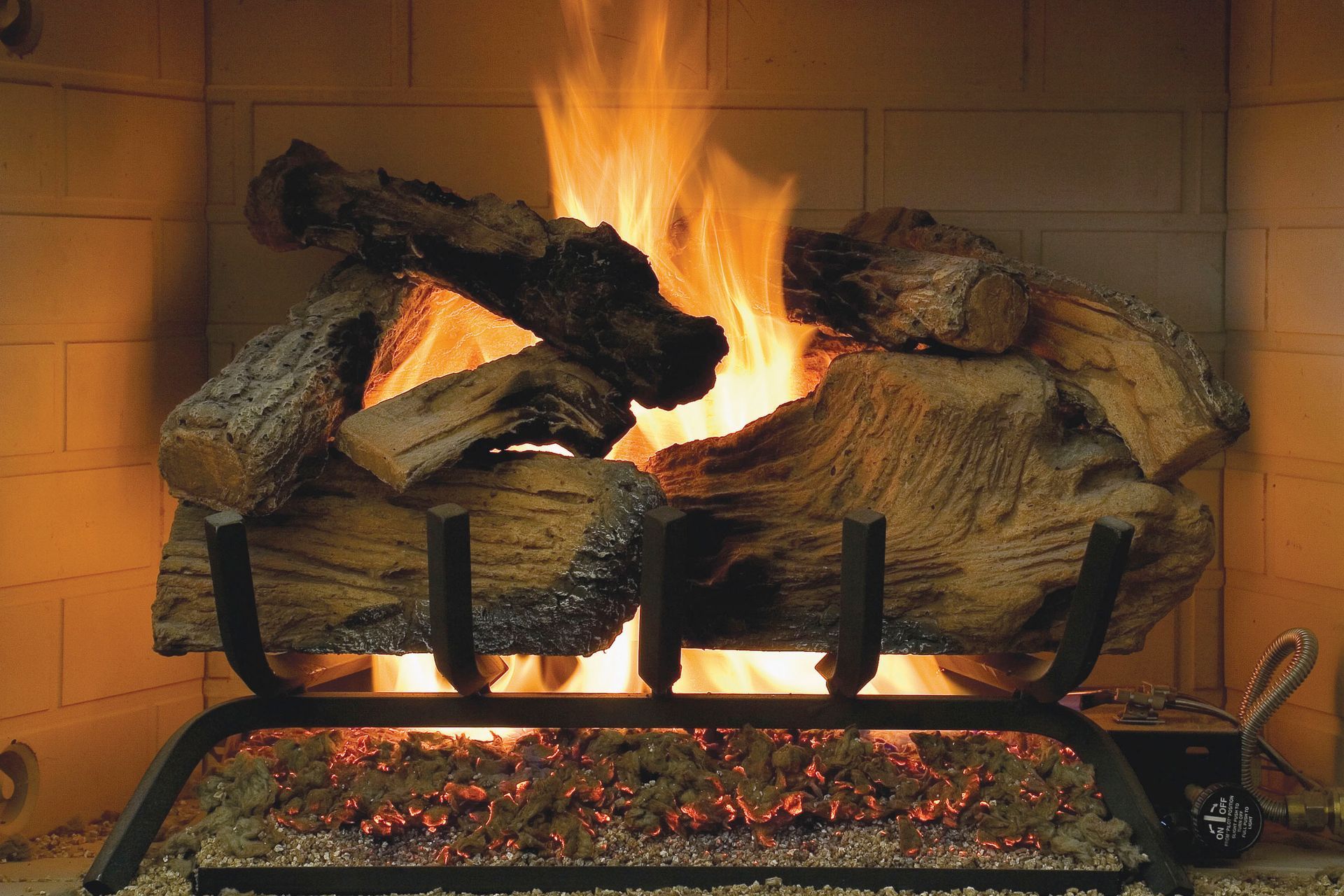
Ceramic logs are primarily crafted from a mixture of ceramic fibers and heat-resistant materials. This composition facilitates a lightweight structure, making them easier to handle and position during initial setup. The flexibility of ceramic material allows for detailed versatility, closely mimicking real wood textures. Their durability against high temperatures ensures they maintain structural integrity over extended periods of time.
Evaluating Heavy Duty Alternatives
Refractory logs are composed of dense concrete and thermal-resistant chemicals. This heavy-duty composition results in a sturdier log compared to lighter fiber options. The weight of these logs lends a substantial tactile presence inside the firebox. Designed for maximum strength, refractory logs excel in frequent or high-temperature usage scenarios, making them popular for homes with high heating demands.
Analyzing Thermal Resistance Capabilities
The thermal resistance of a log influences both heat distribution and total longevity. Ceramic logs withstand significant temperatures without breaking or cracking, making them an ideal option for prolonged usage. Their composition allows even heat distribution, contributing to a comfortable living environment. Partnering with a gas fireplace log supplier helps ensure you select logs rated for your specific burner assembly.
Examining Long Term Heat Retention
Refractory logs boast impressive thermal resistance due to their dense construction. While they take longer to heat initially, their structural density ensures sustained heat distribution once warmed. This characteristic makes them well-suited for homes using fireplaces as primary or supplementary heat sources. The ability to retain warmth efficiently continues to make refractory options a staple for winter heating.
Handling Installation and Placement Considerations
Weight and density play critical roles in the physical setup of your hearth. Ceramic options benefit from lower overall weight, making them manageable during routine checks or light adjustments. Lower density places less pressure on the fireplace grate, extending the life of support components. Homeowners who appreciate easy handling often favor ceramic alternatives for seasonal maintenance.
Assessing Structural Stability Factors
Refractory logs derive their main strength from superior mass and density. Their substantial heft ensures they stay anchored securely in place, minimizing accidental displacement during operation or cleaning. However, this increased weight requires careful handling during placement to protect internal firebox surfaces. Understanding these physical traits helps buyers choose the right product for their specific household routine.
Evaluating Environmental Manufacturing Impacts
Environmental considerations linked to fireplace logs start during the manufacturing stage. Ceramic logs involve simpler fabrication processes, often resulting in lower shipping emissions due to reduced weight. Sourcing high-heat fibers efficiently helps keep the overall production cycle streamlined. Choosing sustainable materials supports broader efforts toward cleaner indoor heating solutions throughout the industry.
Understanding Production Energy Requirements
Refractory logs require energy-intensive casting processes due to their dense chemical mix. Fabrication demands substantial raw materials, which requires responsible sourcing practices. However, their extended operational lifespan often offsets initial manufacturing inputs over time. Sourcing products through an established gas fireplace log supplier ensures access to responsibly manufactured log sets built for durability.
Comparing Heating Speed Differences
Heat conductivity determines how effectively a unit warms an enclosed space. Ceramic logs reach optimal thermal output rapidly after ignition, transforming gas fuel into immediate warmth. This rapid heating characteristic makes them convenient for quick evening fires or brief utility cycles. Efficient energy transfer ensures minimal fuel waste during short periods of use.
Maximizing Radiance Over Time
Refractory logs excel at dispersing warmth steadily over extended periods. This property helps maintain balanced ambient temperatures without drastic fluctuations. Once fully heated, the dense mass radiates warmth steadily into the room, reducing the need for constant high-burn settings. This sustained thermal output offers distinct utility benefits during prolonged cold spells.
Managing Long Term Operational Costs
Energy consumption remains a central concern for cost-conscious homeowners. Ceramic logs consume less fuel during initial heating phases due to quick thermal response. This alignment with energy conservation helps lower utility costs during short operational cycles. Lower upfront energy demands make ceramic sets an economical option for seasonal users seeking budget-friendly comfort.
Optimizing Continuous Fuel Efficiency
Refractory logs demand slightly higher initial energy input to achieve working temperatures. However, their ability to hold heat balances out fuel usage during longer burn times. This operational efficiency supports lower continuous energy requirements when running the fireplace for several hours. Balancing short-term ignition needs with long-term heating goals helps clarify the overall value of each material.
Reviewing Material Longevity Factors
Durability directly impacts the long-term value of your hearth investment. Ceramic logs provide excellent operational service, though severe physical impact can cause localized chipping over time. Proper handling and periodic cleaning prevent premature wear, keeping the logs functional and attractive. Following manufacturer care guidelines guarantees decades of dependable performance and steady radiant warmth.
Sustaining High Temperature Performance
Refractory logs show exceptional resistance to physical wear and intense thermal conditions. Their heavy composition prevents surface deterioration even under daily, prolonged usage. This structural integrity makes them suitable for active households using their gas units constantly. Investing in robust refractory sets through a gas fireplace log supplier guarantees maximum product longevity without frequent replacements.
Selecting Realistic Visual Designs
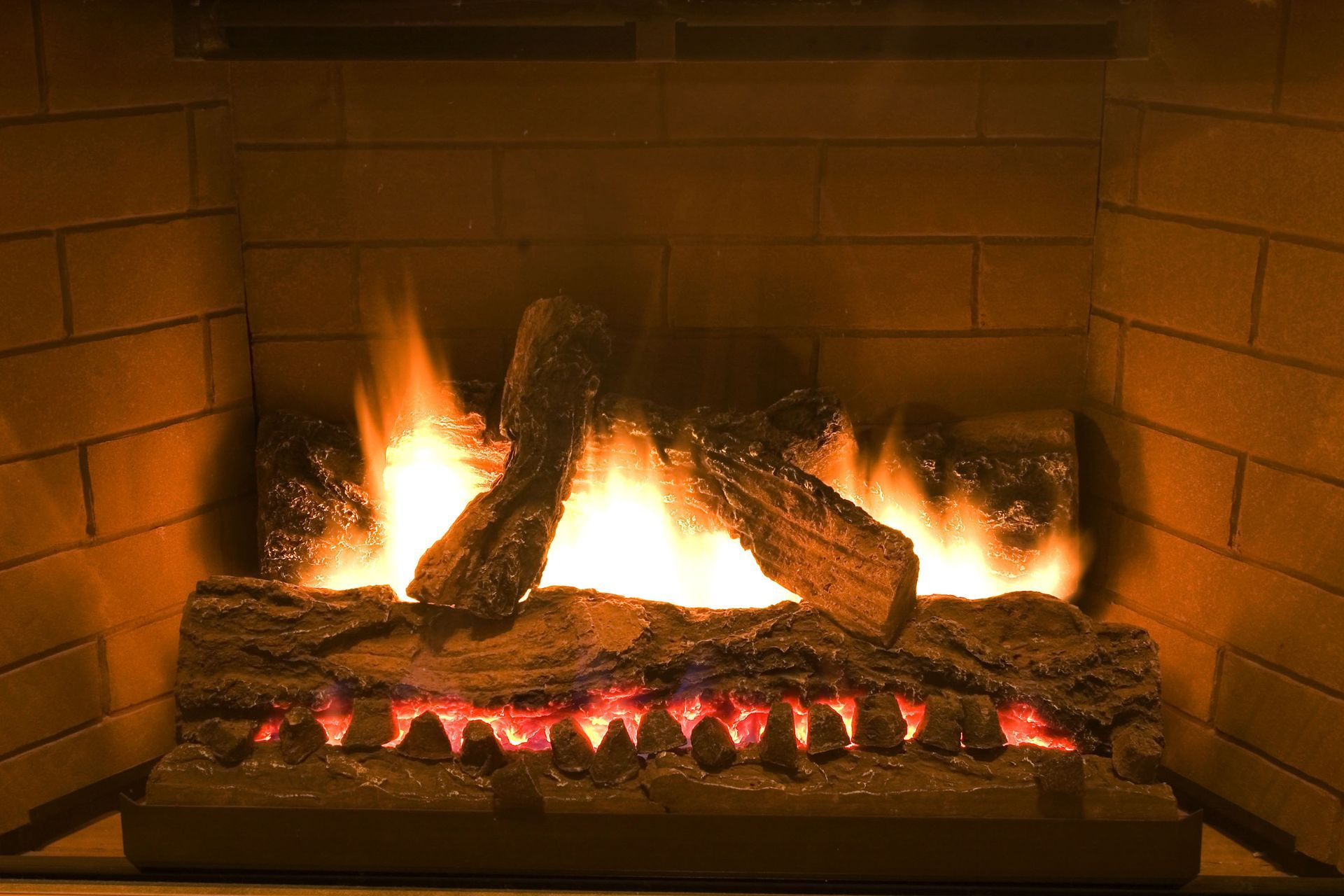
Visual realism enhances the overall atmosphere of your living space. Ceramic logs feature detailed bark textures, realistic wood grain, and hand-painted accenting. Advanced molding techniques replicate natural oak, pine, or birch details with high precision. These aesthetic choices allow homeowners to match their interior decor while enjoying the convenience of gas ignition.
Enhancing Ember Bed Appearance
Refractory logs focus on structural realism, mimicking the solid mass and rough texture of heavy timber. Modern manufacturing finishes continue to improve their surface appearance, blending natural color tones with realistic charring details. Pairing these logs with proper burner glowing embers creates an authentic fireplace visual. Choosing quality materials ensures your hearth remains a warm focal point.
Streamlining Routine Maintenance Tasks
Routine care ensures consistent operation and clean burn cycles. Ceramic logs require minimal upkeep, needing only light dusting to remove loose accumulation. Their lightweight structure allows easy removal during annual inspection checks of burner ports. Simple maintenance routines allow homeowners to enjoy reliable warmth without complex, time-consuming servicing requirements.
Inspecting Heavy Material Assembly
Refractory logs require careful handling during periodic system checks due to their weight. Cleaning involves gently brushing log surfaces to prevent carbon buildup from blocking gas flow. Because these logs resist physical wear, they rarely need surface refinishing or repositioning. Establishing regular inspection schedules protects overall heating performance and keeps fuel combustion clean and efficient.
Upholding Domestic Safety Standards
Fire safety standards remain paramount when operating gas heating appliances. Modern ceramic logs meet strict manufacturing requirements to ensure clean combustion without releasing hazardous emissions. Proper placement on the burner pan prevents flame impingement and carbon buildup. Utilizing a verified gas fireplace log supplier guarantees access to safety-tested sets designed for your specific setup.
Investing in high-quality fireplace materials ensures superior performance, aesthetic satisfaction, and safe operation for years to come. Whether upgrading an existing hearth or installing a brand-new focal point, choosing the proper log composition makes all the difference in daily efficiency. Professional guidance helps tailor your choice to match your specific room layout and heating preferences. For top-tier products, expert advice, and comprehensive heating solutions, trust the inventory at Gas Logs Etc.
Share On: