

A Homeowner’s Guide to Fireplace Inserts and Modern Heating Performance
Fireplaces remain a defining feature in many homes, offering both warmth and a natural gathering point. As homeowners seek upgrades that improve comfort and efficiency, heating solutions have become an important consideration. The right choice affects not only visual appeal, but also usability, energy performance, and long-term operating costs. When selected thoughtfully, fireplace inserts can enhance everyday comfort while supporting modern heating needs. Gaining a clear understanding of how these systems function within today’s homes helps homeowners make confident and practical decisions.
Fuel Source Options
The type of fuel powering a heating system influences maintenance demands, efficiency, and overall convenience. Each option supports different priorities, making it important to evaluate how fuel choices align with household routines and expectations.
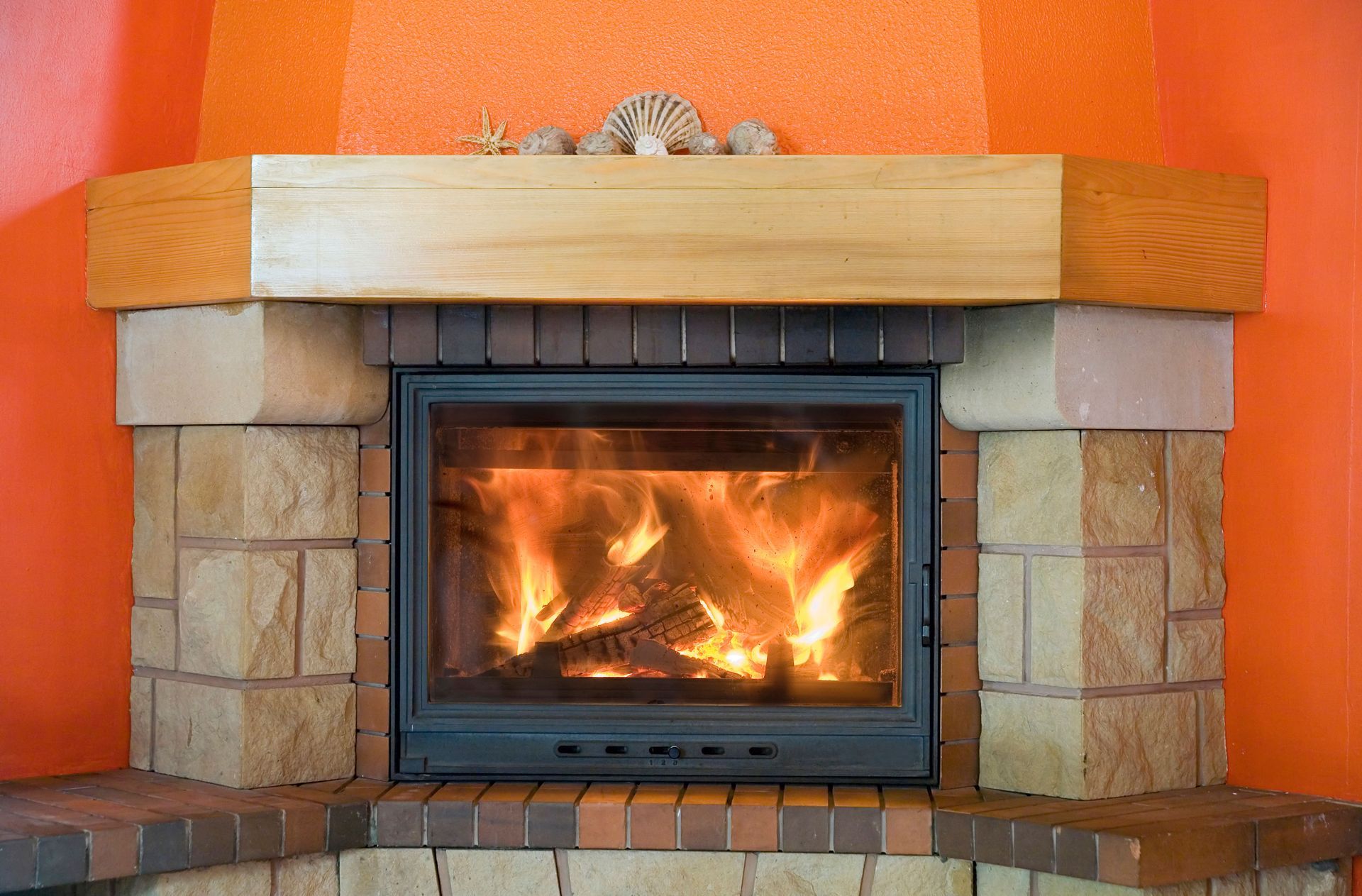
Wood-based systems are often chosen for their traditional character and familiar ambiance. Natural flame movement and the sensory experience of burning wood appeal to homeowners who appreciate classic design. However, wood-burning fireplace inserts require regular upkeep, including ash removal, chimney maintenance, and proper fuel storage. For those willing to manage these responsibilities, wood systems offer a timeless heating experience.
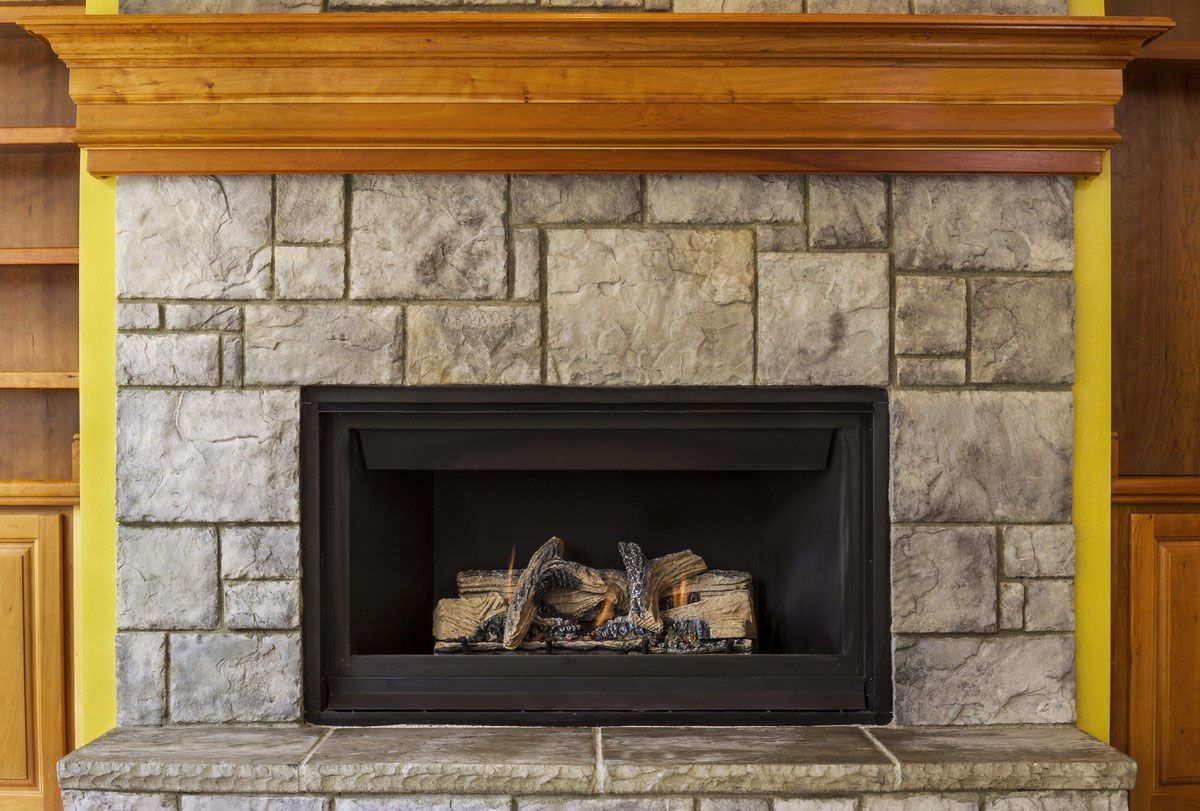
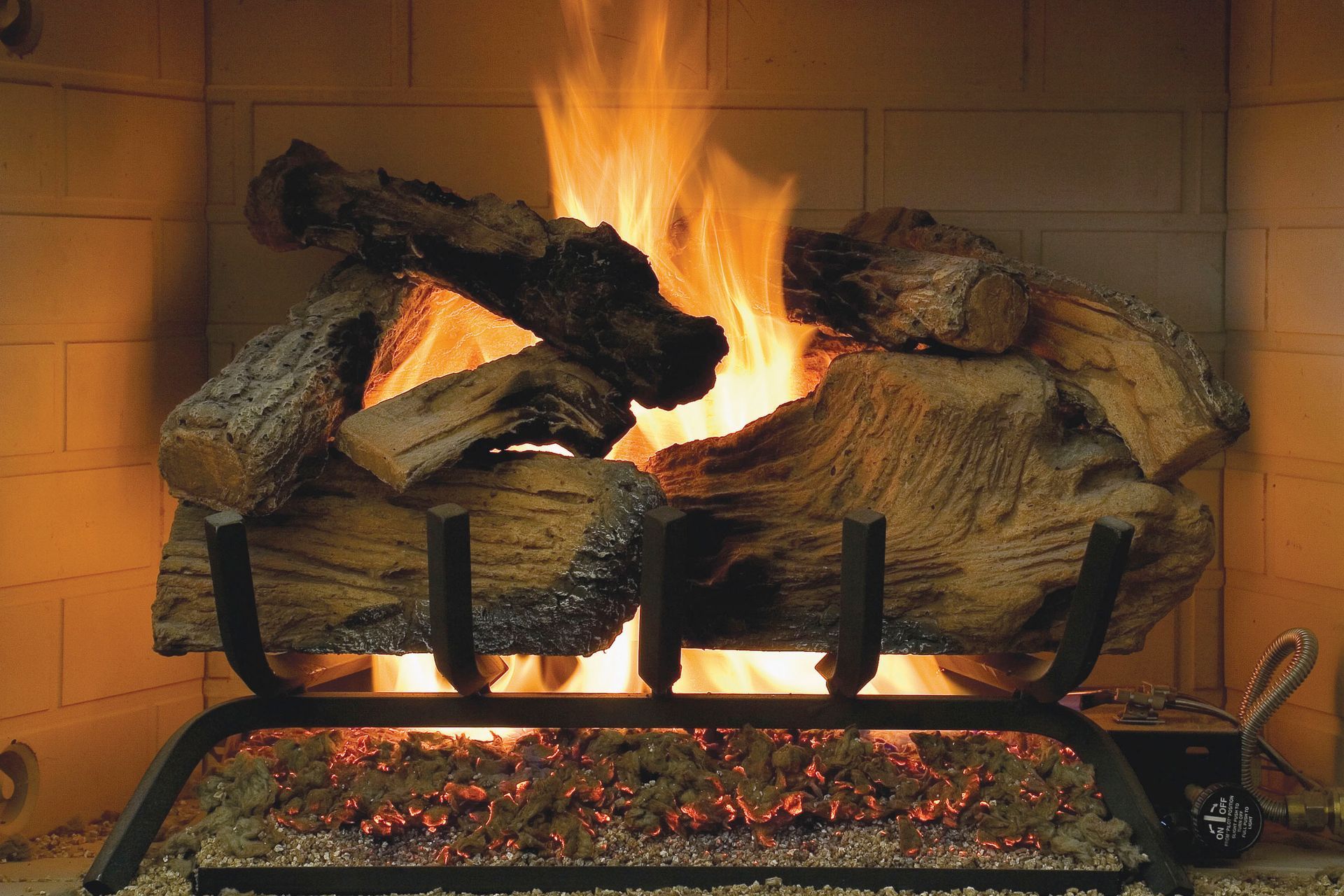
Gas-powered options emphasize consistency and ease of operation. These systems provide controlled ignition and steady heat output without the need for handling fuel. While installation typically involves professional gas connections, many homeowners prefer gas fireplace inserts for their reliability and low-maintenance performance. According to This Old House, gas fireplaces have efficiency ratings of up to 90%, making them an appealing choice for homeowners focused on energy-conscious heating.
Electric systems prioritize simplicity and adaptability. Because they do not require venting or chimneys, they can be installed in a wide range of living spaces. Adjustable heat settings and realistic flame effects make electric inserts suitable for supplemental heating or areas where safety and accessibility are key considerations.
Pellet-fueled systems combine efficiency with environmentally conscious design. Using compressed organic materials, these units deliver controlled heat through automated feeding systems. Although pellets must be stored and replenished, pellet inserts appeal to homeowners seeking balanced performance with reduced emissions.
Heat Performance and Energy Use
Heating efficiency reflects how effectively energy is converted into usable warmth. Systems with higher efficiency ratings help minimize waste while supporting lower operating costs.
Measurements such as BTU output and efficiency percentages allow homeowners to match a unit to room size and insulation levels. Selecting the appropriate capacity prevents uneven heating and unnecessary energy use. Fireplace inserts designed with advanced airflow and combustion control help distribute heat evenly and maintain consistent comfort.
Zone heating is a notable advantage of insert systems. Rather than heating an entire home, homeowners can focus warmth in frequently used areas. This targeted approach can reduce reliance on central heating systems and help manage energy expenses during colder months.
Ventilation design also influences overall performance. Direct-vent systems draw combustion air from outside while safely expelling exhaust, preserving indoor air quality. Vent-free systems may simplify installation but require careful compliance with safety guidelines and local regulations.
Visual Style and Interior Compatibility
A heating unit’s appearance plays an important role in how well it integrates into a living space. Design choices should complement the room rather than compete with existing décor.
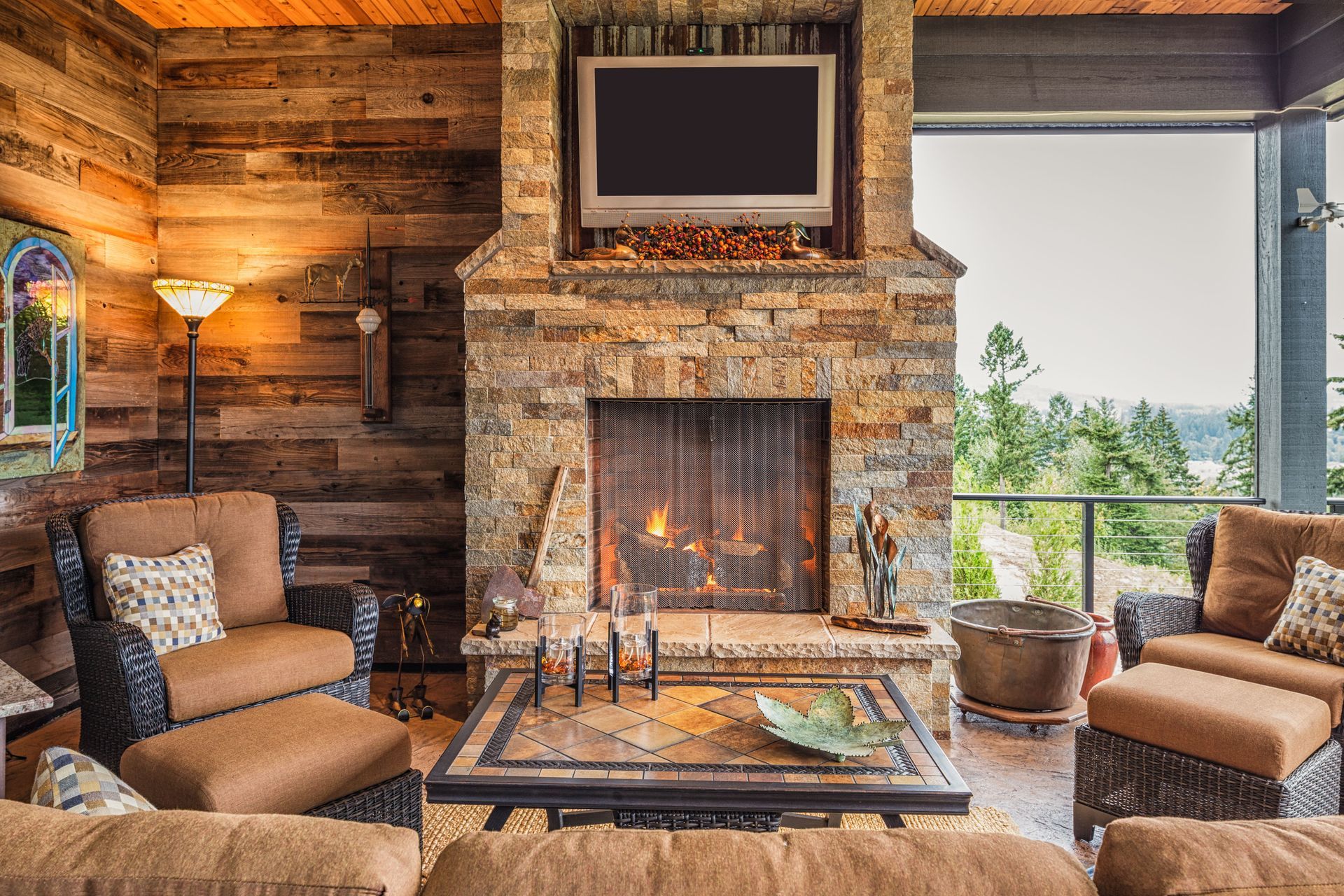
Classic styles often feature materials such as brick, stone, or cast iron, blending well with traditional or rustic interiors. Modern designs favor clean lines, minimal framing, and wide viewing panels that highlight the flame. Fireplace inserts are available in numerous styles, allowing homeowners to maintain visual harmony throughout the home.
Material selection also affects durability and heat retention. Cast iron components retain warmth longer after operation, while steel allows for greater flexibility in finishes and design. Glass panels enhance visibility while providing an added layer of safety.
Customization options including surrounds, mantels, and trim details allow homeowners to personalize their installation. These finishing touches can transform fireplace inserts into focal architectural elements rather than purely functional appliances.
Installation Requirements and Structural Planning
Proper installation is essential for safety, efficiency, and long-term reliability. Structural requirements vary depending on fuel type, venting needs, and existing fireplace conditions.
Professional installation helps confirm that systems meet building codes and manufacturer specifications. Gas and pellet systems often require specialized venting and connections, while electric models typically involve fewer modifications. Correct installation supports optimal performance and protects warranty coverage.
Older homes may require chimney liners or structural upgrades to accommodate modern systems. Early consultation with experienced professionals helps identify potential challenges and avoid unexpected delays or expenses.
Cost Considerations and Long-Term Benefits
Evaluating cost involves more than the initial purchase price. Installation, maintenance, and energy efficiency all contribute to long-term value.
Electric systems generally have lower upfront costs, while gas and multi-fuel options may involve higher investment due to advanced features. Installation expenses depend on system complexity, labor requirements, and structural modifications.
Maintenance needs also vary. Wood systems require routine cleaning and inspections, while gas and electric options typically involve minimal upkeep. High-efficiency fireplace inserts can help offset initial costs through reduced heating expenses over time.
Safety Features and Home Protection
Modern heating systems incorporate safety features designed to protect households. Automatic shutoff controls, cool-touch surfaces, and built-in sensors reduce potential risks.
Adhering to clearance guidelines, ventilation requirements, and routine inspections helps maintain safe operation. Regular servicing allows potential issues to be addressed before they become hazards.
Smoke and carbon monoxide detectors installed near heating areas provide an added layer of protection. When combined with proper installation and maintenance, fireplace inserts enhance comfort without compromising safety.
Environmental Impact and Efficiency Standards
Environmental considerations are increasingly important for homeowners. Fuel sourcing, emissions, and efficiency all influence sustainability.
Gas systems typically produce fewer emissions than traditional open fireplaces, while pellet systems rely on renewable materials. Electric inserts powered by clean energy sources further reduce environmental impact. Fireplace inserts engineered for clean combustion support responsible heating choices.
Local regulations may affect fuel selection and installation requirements. Choosing systems that meet or exceed current standards helps protect both environmental quality and homeowner investment.
Technology Advancements and Ease of Use
Advancements in heating technology have improved user control and convenience. Digital thermostats, programmable settings, and smart connectivity allow homeowners to manage heat output efficiently.
Remote operation enhances accessibility, especially in multi-level homes. Quiet operation and improved airflow design distribute warmth evenly without disruptive noise. These innovations make modern heating systems easier to use and more responsive to daily needs.
Comfort, Value, and Long-Term Appeal
A well-chosen heating upgrade contributes to lasting comfort and home value. Efficient, visually appealing systems are often viewed as desirable features by future buyers.
Consistent temperatures, reduced drafts, and improved indoor comfort enhance everyday living. When properly selected and maintained, fireplace inserts provide reliable performance while supporting energy-conscious lifestyles.
In addition to comfort and efficiency, modern heating systems can contribute to improved indoor air management. By reducing drafts and promoting more even heat distribution, these systems help stabilize indoor temperatures throughout the home. This consistency can reduce cold spots, limit moisture buildup, and create a more comfortable living environment during extended heating seasons. Over time, dependable performance and improved temperature control help homeowners enjoy their living spaces with fewer interruptions and greater peace of mind. This added reliability supports everyday comfort while reinforcing the long-term value of fireplace inserts.
By evaluating fuel options, efficiency, design, and long-term benefits, homeowners can choose systems that align with comfort and sustainability goals. Contact our team at Gas Logs Etc today to learn more about our fireplace services.
Share On: